Training Schedule
Training for Infrared and EMT professionals world-wide.

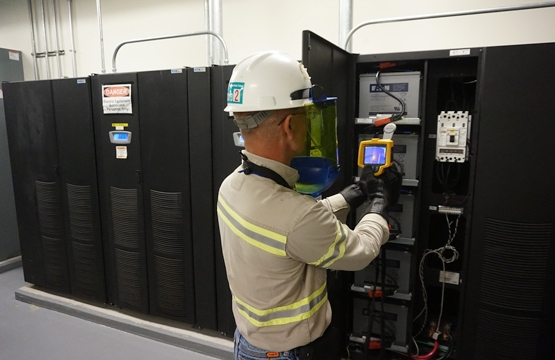
Aside from our course curriculum, one of the things I’m asked about the most is reporting content and format. We supply excerpts of several IR related standards in the Level I course manual, including a summary of the ASTM E-1934; Standard Guide of Examining Electrical and Mechanical Equipment with IR. One of the topics discussed therein is reporting.
The ASTM E1934 is pretty comprehensive. For those not familiar with standards and the verbiage typically associated with them, you’ll see the word “shall” used extensively. In standards, use of the word “shall” generally accompanies what’s known as a “mandatory rule”. A mandatory rule is one that must be followed. The list of information that the 1934 states shall be provided is long. Included are many of the fields that can be populated in the templates that are included with many imager software suites… These templates are quite useful, aligning important data with images, providing tables for data entry, etc. Even so, questions remain for some people.
Your report is the tangible deliverable for your inspection program. Internal customer or external, the written report is what you get for your IR dollar. You want it to be pristine, valuable. So, what you include in it is important. So, what needs to be considered is what you want your report to tell your customer. What are you trying to say?
The templates used give the IR image, usually the accompanying digital image, and can be customized to give other data as well. Aside from what the camera has to say (emissivity, background, etc.) what else should you include? Here are some points to consider:
Those are just a handful of things to consider. If you’re not sure your reporting format is doing the trick, ask us. We’re here to help.


