Training Schedule
Training for Infrared and EMT professionals world-wide.

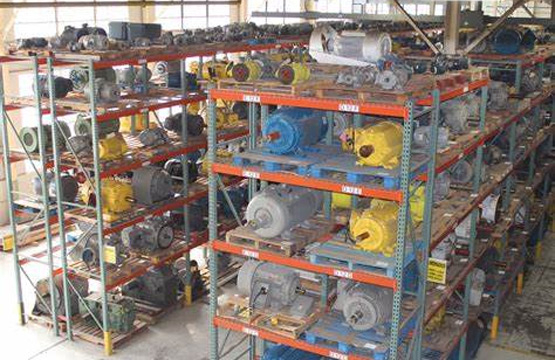
Electric motors are some of the most efficient devices on the planet. Given 100% energy they can be upwards of 96% efficient. Motors consume 60% - 90 % of the energy at industrial facilities and many facilities painstakingly conduct extensive precision maintenance practices and testing to ensure maximum longevity of their motors. Some of the best programs that we have witnessed over the years share a common shortcoming, proper care of their spare motors. As powerful and efficient as motors are, they all ultimately fail. When they fail an on-sight spare is generally used to replace the failed motor.
At this point let’s ask you 3 questions:
Sadly, motors are much like other electrical apparatus in that as long as they seem to function when called upon, they’re largely forgotten. Push a button, and your conveyor starts, motor works. How healthy is it, though? As discussed in numerous tips and blogs we’ve posted, just because it turns when you start it doesn’t mean it’s defect free. Spares also fall into the category, just because it's in the warehouse doesn’t mean it is good, and just because it just came off the truck from the motor shop doesn’t mean it is good either. For the purposes of this discussion though, let’s assume you received a perfect motor, and it went into storage. How do you keep it healthy while it’s waiting? Here are a few steps you can take to make sure your motors are healthy when you need them.
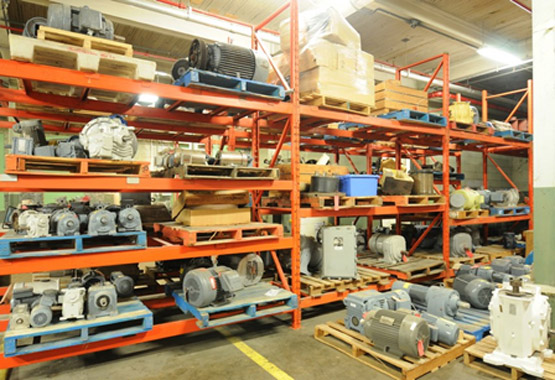
Many facilities have a vendor that provides for motor storage in environmentally controlled warehouses. Some motor repair facilities offer this service, which includes shaft rotation and resistance to ground testing on a regular basis. When a motor is needed they prepare and deliver. It is unfortunate, but- we have been to a few of these storage facilities to test a customer’s motors and have found them plastic-wrapped, shafts blocked, and all the motor leads disconnected. These are at facilities where motors are supposed to have the shafts rotated and routine resistance to ground checks accomplished. Trust but verify!
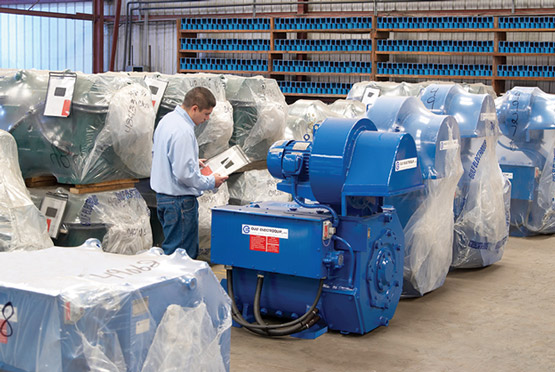
It’s also worth mentioning that incoming motors be tested de-energized upon receipt, and again before installation, making sure the data matches from one test to the next, and again after installation but before energizing. If you’re not doing that, at least do the above-mentioned things while you pull together a good motor acceptance procedure.
Ask us about Electric Motor Testing Training and Certification.


