Training Schedule
Training for Infrared and EMT professionals world-wide.

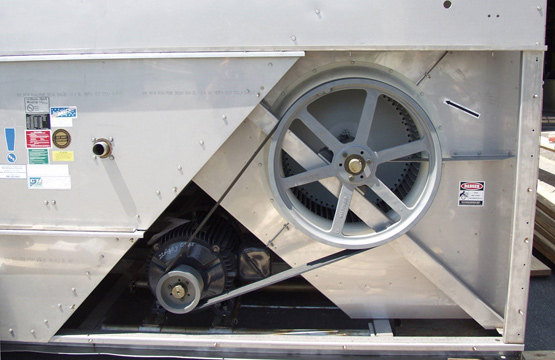
Belt Drive systems are a part of most industrial processes and can be critical to production. With the current signature capability of electric motor test equipment, belt drive problems can easily be identified. Belt drive systems exhibit similar indications for the following list of belt drive problems:
Belt problems all share the same pulleys, pulley pitch diameter and belt length, so any problem with the drive system will result in a fault frequency related to those values.
Belt Frequency = (3.1416) (Pulley RPM) (Pulley Pitch Diameter)
Belt Length
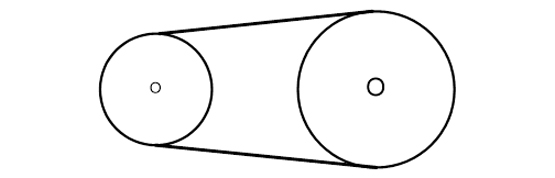
RPM WILL ALWAYS BE LESS THAN EITHER PULLEY RPM
Normally generates 3-4 multiples of belt
Often the 2x belt frequency is dominant
Loose cog belt show at number of cogs times RPM
When belt frequencies are present, the best resolution is to check belt tension and alignment of the sheaves. After alignment is completed and belt frequencies are still present, the problem is one of three things:
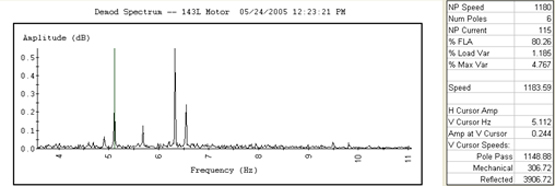
Belt Frequencies on a 1200 RPM (20Hz) Motor
As part of a routine maintenance monitoring program, belt problems can be trended and identified as problems start developing. Use of infrared and vibration can also assist with the identification and correlation of data.


